
EAD Renewal Policy Under Review
The Employment Authorization Document (EAD), commonly known as a work permit, has long provided noncitizens temporary permission to work in the United States while awaiting immigration benefits or status adjustments. In late 2025, the Department of Homeland Security (DHS) announced significant revisions to how EAD renewals are handled, particularly the end of the automatic 540-day extension rule that allowed continued employment while renewal applications were pending. The change, effective October 30, 2025, means that many applicants who relied on the extended grace period could now face employment gaps if renewals are not processed in time. Immigration attorneys and employers are calling the move one of the most consequential policy reversals since 2022. (Ice Miller)
What the EAD Is and How It Works
An Employment Authorization Document (Form I-766) is issued by U.S. Citizenship and Immigration Services (USCIS) to noncitizens who qualify to work under specific visa or humanitarian categories. Historically, when processing times for renewals grew long, USCIS permitted automatic extensions for timely filed renewals. In 2022, the agency temporarily expanded that window from 180 days to 540 days to reduce disruptions caused by case backlogs. Under that rule, eligible workers could remain employed legally while their renewal was pending, easing pressure on both employees and employers during lengthy adjudication periods.
EAD Policy Changes
1. Elimination of the 540-Day Automatic Extension
On October 30, 2025, DHS issued an interim final rule ending the 540-day automatic extension for EAD renewal applications filed on or after that date. The agency cited national-security and vetting concerns, arguing that extended validity periods “limited USCIS’s ability to re-verify eligibility in a timely manner.” The 540-day policy remains available only for applications filed before October 30, 2025. Renewals submitted after that date are no longer automatically extended beyond their current EAD expiration.
2. Narrower Eligibility and Limited Exceptions
Certain humanitarian categories, such as Temporary Protected Status (TPS) holders, may still qualify for shorter automatic extensions under prior regulations. Employers and attorneys must now analyze each case individually to determine coverage.
3. DHS Justification and Policy Rationale
According to DHS statements reported by Envoy Global, the shift aims to “this rule prioritizes proper screening and vetting before extending employment authorization. USCIS stated that more frequent vetting will help deter fraud and identify individuals with potentially harmful intent.” Critics, however, argue that the policy prioritizes administrative control over continuity of employment.
The Effects on Employers and Immigration Firms
- Operational Disruptions: Employers who rely on EAD-authorized workers (such as adjustment-of-status applicants and TPS beneficiaries) now face a higher risk of work interruptions
- Increased Compliance Burden: Attorneys and HR teams must monitor EAD expiration dates more closely and cannot assume continued work eligibility
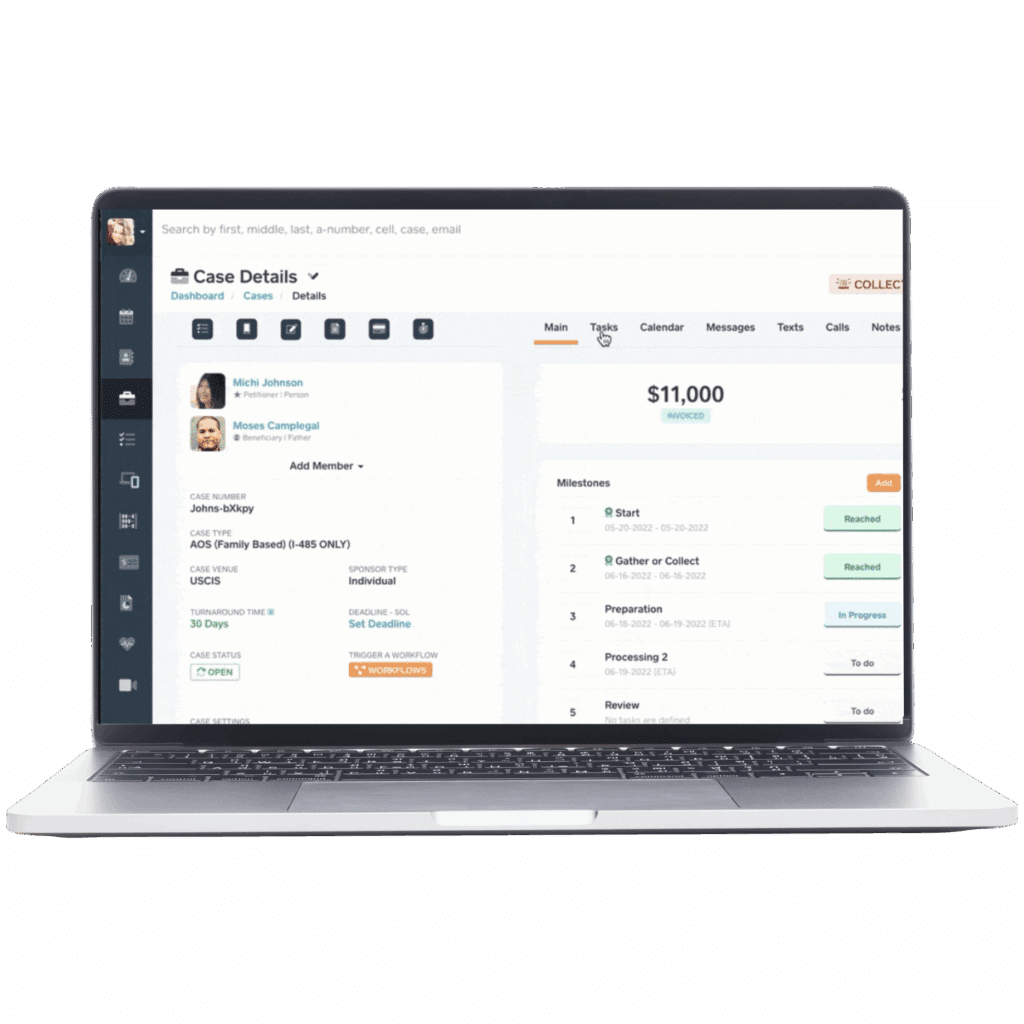
- Administrative Adjustments: Firms are accelerating renewal filings, implementing internal alert systems, and using immigration case management software to avoid lapses
- Financial and Workforce Pressure: The policy could lead to temporary layoffs or staffing shortages, the New York Post reported that employers across healthcare, manufacturing, and service industries are already bracing for workforce disruptions
Vigilance Is Now Essential
The rollback of the 540-day automatic extension marks a turning point for employment authorization policy in the United States. What once provided predictable continuity now requires proactive planning and detailed tracking. For immigration attorneys and HR compliance teams, this change underscores the importance of tight workflows, client education, and early action. Firms that adapt quickly by using data tracking, automation tools, and clear communication will help employers and employees navigate this new environment without unnecessary disruption.