
A Quiet but Significant Tool in Employment-Based Immigration
The Validation Instrument for Business Enterprises (VIBE) is one of USCIS’s lesser known tools, but its role in employment-based immigration is significant. While VIBE program does not determine case outcomes on its own, it influences how USCIS evaluates the credibility, structure, and legitimacy of petitioning employers.
For immigration attorneys working with companies of all sizes, understanding how VIBE works is essential. It allows firms to anticipate Requests for Evidence, correct discrepancies early, and ensure that employer data remains consistent across all filings.
What the VIBE Program Is
VIBE is a verification system that USCIS uses to compare information provided by petitioning employers with commercially available business data. USCIS sources this information from Dun and Bradstreet (D&B), a global business database that maintains records on millions of companies.
VIBE provides USCIS with data on:
- Business classification
- Financial viability indicators
- Corporate structure
- Number of employees
- Date and location of establishment
- Trade names and alternative business names
- Ownership information
- Operational status
USCIS began implementing VIBE to reduce fraud, increase consistency across adjudications, and streamline the review of employment-based petitions such as H-1B, L-1, O-1, E-1 or E-2, and immigrant petitions under EB categories.
How USCIS Uses VIBE During Adjudication
When an employer submits an employment-based petition, USCIS cross-checks the information on the form with what appears in the VIBE system. If the data matches, the case usually proceeds without additional questions. If discrepancies appear, USCIS may issue a Request for Evidence or Notice of Intent to Deny, requesting clarification or supporting evidence.
Common reasons for VIBE-related RFEs include:
- Differences in the number of employees reported
- Conflicting business addresses
- Outdated or incorrect D&B profiles
- Inconsistent ownership information
- Companies that appear inactive or unverified in the D&B system
Even small inconsistencies can trigger time-consuming RFEs that delay adjudication.
How Employers Can Proactively Manage VIBE Data
Since USCIS relies on D&B information, employers should ensure that their D&B profile is accurate, current, and complete.
Recommended steps include:
1. Claim or Update the D&B Profile
Employers can update or correct information directly with Dun and Bradstreet. This ensures that USCIS sees accurate data when cross-checking petitions.
2. Verify Consistent Information Across All Systems
Names, addresses, legal entity types, and ownership information should match across:
- USCIS forms
- State business registries
- IRS records
- Corporate websites
- Contracts and organizational charts
Inconsistency is one of the most common triggers for VIBE-related RFEs.
3. Ensure Business Status Is Clearly Indicated
D&B should reflect whether the company is active, operational, and properly registered. Any gaps may raise concerns for USCIS.
4. Monitor for Third-Party Errors
D&B often collects data from public and private sources, which can lead to misinformation. Employers should routinely check their profile for inaccuracies.
The USCIS VIBE program rarely receives attention, yet it plays a subtle but influential role in employment-based immigration. For practitioners, understanding VIBE means preparing clients, verifying employer data, and anticipating possible requests for clarification. Keeping D&B records current and ensuring consistency across all filings helps reduce avoidable RFEs and supports smoother case processing.
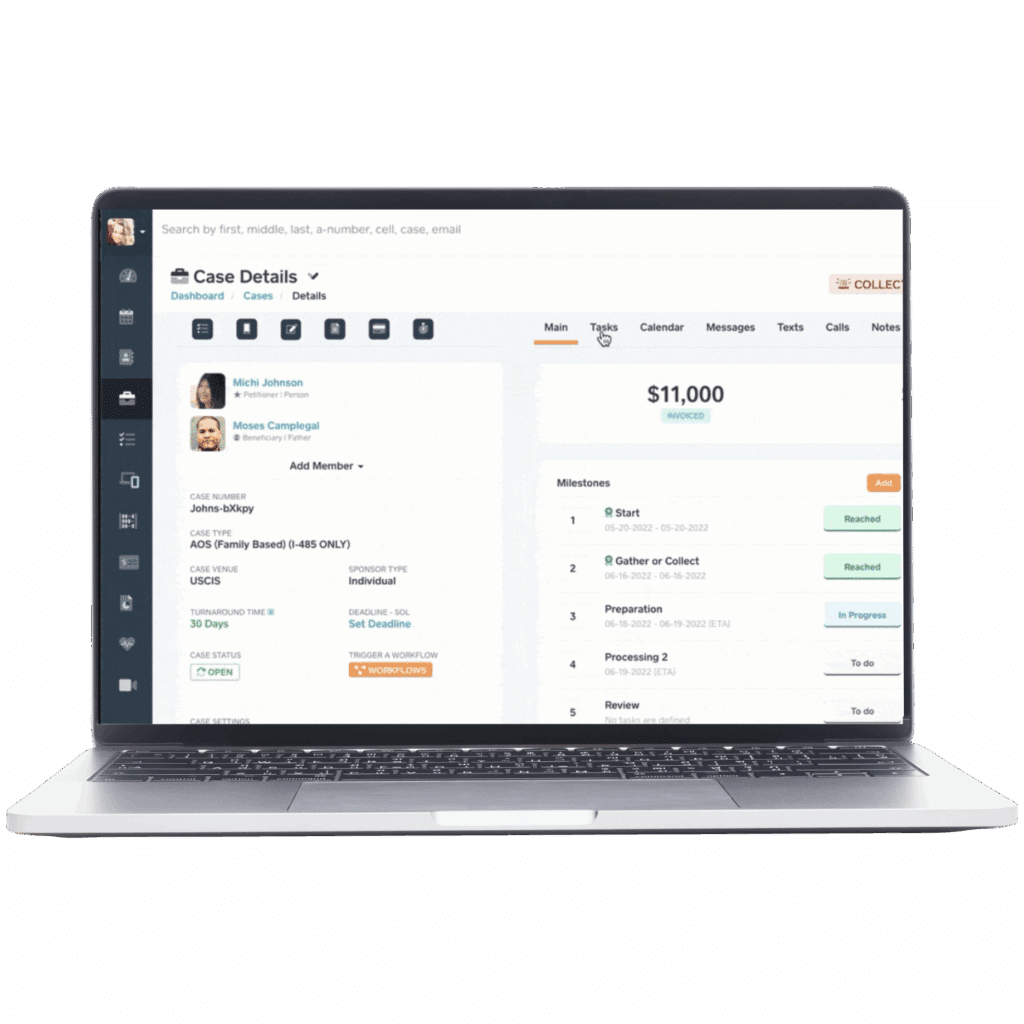
Contact CampLegal for employment-based immigration software.